
Fixing Cold Spots on Internal Walls Without Major Building Work
Why Some Internal Walls Feel Noticeably Colder
A cold patch on an internal wall is rarely just a quirk of the building. Usually it is a signal — sometimes a small one, sometimes a warning — that something is letting heat out or moisture in. The good news is that most causes can be tracked down in an afternoon with nothing more than your hands, a torch and a bit of patience, and many of the fixes are far less disruptive than homeowners expect.
Start by noticing the shape and timing of the cold spot. A neat vertical band running floor to ceiling often traces a gap in insulation or a studwork cavity. A patch that appears only after heavy rain points towards water getting in from outside. A cold zone low down near the skirting usually means draughts, while a spot that is cold, slightly clammy and smells musty deserves closer attention.
The Three Usual Suspects: Insulation, Damp and Draughts
Almost every cold internal wall comes down to one of three things.
- Missing or gappy insulation. In older homes, and even in some newer ones, insulation can be patchy around window reveals, behind radiators, at party walls or wherever a section was simply missed. The cold area often mirrors the gap almost exactly.
- Damp. Moisture in a wall makes it feel far colder than dry masonry, because evaporation draws heat away from the surface. Penetrating damp, a slow leak or failed pointing outside will all show up as a cold, clammy patch.
- Draughts. Air creeping in behind plasterboard, around sockets, through gaps at the skirting or along service pipes will chill the wall surface nearest the leak.
Diagnosing the Problem Without Spending a Penny
Before you buy anything, spend twenty minutes narrowing things down.
- Check the outside face of the wall if you can reach it. Cracked render, blocked gutters or damaged pointing above the cold patch are strong clues.
- Feel along the skirting and around sockets and light switches on a cold day. Air coming through will be obvious.
- Hold a tissue or a smoke pencil near suspect gaps on a windy day and watch which way it moves.
- Look for condensation, tide marks or bubbling paint. These point to moisture rather than air movement.
- Note whether the spot is cold in all weathers or only after rain and wind. Seasonal clues save a lot of guesswork.
If the wall is damp, or you find black mould, deal with the moisture source first. Adding insulation over a wet wall simply traps the problem inside the structure.
Quick Wins for Draughts and Air Leaks
Draughts are the cheapest problem to fix and often the most satisfying. Seal gaps at the base of the wall with a flexible mastic or a skirting sealant strip. Fit foam gaskets behind sockets and switches on external walls — they cost pennies and take seconds. Fill holes where pipes and cables pass through plaster with a suitable flexible filler. Where a radiator sits against a cold wall, foil behind it reflects heat back into the room rather than letting it soak into the masonry.
Curtains and blinds make a difference too. A heavy curtain that hangs to the floor and overlaps the wall on both sides creates a small insulating air pocket, and closing it at dusk keeps that cold surface away from the room.
Insulation Upgrades That Avoid Major Building Work
If the cold spot is down to a genuine insulation gap, you have several options that do not involve stripping the house back to brick.
- Thermal lining paper is the lightest option. It adds a slim layer of insulation and can be painted or papered over. Best for walls that are merely chilly rather than properly cold.
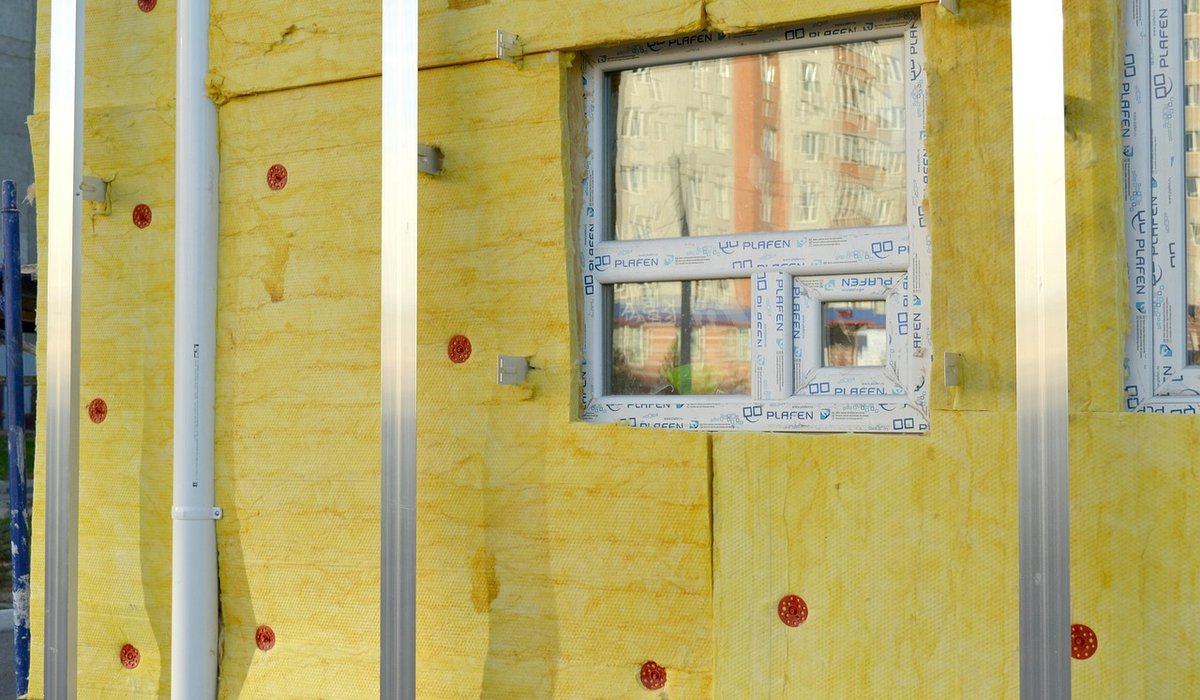
- Insulated plasterboard is the workhorse solution. Bonded directly to the existing wall or fixed on battens, it adds 25mm to 60mm of insulation with minimal loss of room space. Expect some disruption to skirting, sockets and decoration.
- Injected or blown insulation suits some cavity walls and can often be installed from outside through small drilled holes, so there is almost nothing to redecorate indoors.
- Mineral wool or rigid boards behind new plasterboard give a better result if you are already redoing a room, especially on solid walls.
On solid walls, any internal insulation needs careful detailing to avoid pushing the dew point into the structure and creating damp. A vapour control layer, taped joints and the advice of a competent installer matter more than the thickness of the board.
Keeping the Fix Working: Heating and Ventilation
Once the cold spot is treated, a few habits keep it that way. Do not push furniture tight against a previously cold or damp wall — a small air gap lets it breathe. Keep trickle vents open and run extractor fans in kitchens and bathrooms for a few minutes longer than feels necessary. If condensation is a recurring theme, a small dehumidifier in the coldest room will pull moisture out cheaply.
Balance your heating so the whole house warms evenly rather than blasting one room. Thermostatic radiator valves, a slightly lower flow temperature on a condensing boiler or heat pump, and leaving internal doors open during the day all help the fabric of the building dry out and stay warm.
Cold spots are rarely mysterious once you know what you are looking at. Find the cause, fix the cheap things first, and only reach for insulation when the diagnosis points that way. Your walls — and your energy bills — will thank you.
tag: Home Insulation

James Whitcombe Author
Suspended timber floors can leak heat through gaps and joists. Learn safe insulation methods, ventilation needs and when to call a professional.
YOU MAY ALSO LIKE

A Beginner's Guide to Insulating a Suspended Timber Floor
Sep 14
10Unbalanced radiators leave some rooms cold and others overheated. Follow this simple sequence to adjust valves and improve comfort.
read more
How to Balance Radiators for Even Heat Around the House
Sep 11
10Combi and system boilers suit different homes and hot water demands. Compare space, pressure, cylinders and running costs before deciding.
read moreHome Insulation
-

ERRIC CATONA
Smart thermostats can trim waste by learning routines and zoning heat. Their savings depend on setup, insulation and how you use them.
May 19, 2016 at 5.12 pm
Reply
ERRIC CATONA
A phased retrofit can improve warmth without overwhelming your finances. Start with airtightness, insulation and a clear long-term plan.
May 19, 2016 at 5.12 pm
Reply -
ERRIC CATONA
An energy assessment reviews insulation, heating and ventilation to recommend improvements. Knowing the process helps you prepare and ask better questions.
May 19, 2016 at 5.12 pm
Reply
Heating Systems
Your email address will not be published.